
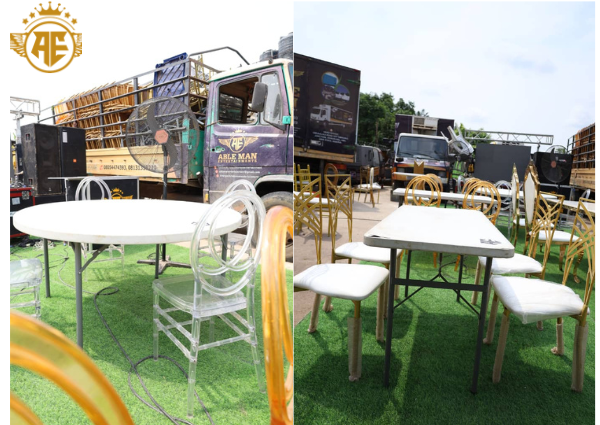
Planning a successful event in 2026 requires more than just booking a venue and sending invitations. Today’s events—whether corporate conferences, product launches, weddings, concerts, trade shows, or private celebrations—demand seamless coordination, cutting-edge technology, engaging experiences, and flawless execution.
From selecting the perfect venue to ensuring crystal-clear audio, vibrant LED displays, and professional lighting, every detail contributes to your event’s success. This comprehensive event planning checklist will help you stay organized and deliver an unforgettable experience for your guests.
Why Event Planning Matters
A well-planned event creates lasting impressions, strengthens your brand, and keeps attendees engaged from start to finish. Poor planning, on the other hand, can lead to technical issues, scheduling conflicts, budget overruns, and disappointed guests.
Following a structured checklist helps you:
- Stay on schedule
- Control costs
- Reduce last-minute stress
- Avoid common mistakes
- Deliver a professional and memorable event
The Ultimate Event Planning Checklist for 2026
1. Define Your Event Goals
Before making any decisions, determine the purpose of your event.
Ask yourself:
- What is the objective?
- Who is the target audience?
- How many attendees are expected?
- What experience do you want guests to have?
- How will success be measured?
Having clear goals will guide every decision throughout the planning process.
2. Set a Realistic Budget
Your budget determines the scale of your event.
Include expenses such as:
- Venue rental
- Stage production
- Professional audio systems
- LED screens and visual displays
- Projectors and presentation equipment
- Lighting design and effects
- Entertainment
- Catering
- Photography and videography
- Decorations
- Security
- Event staff
- Equipment rentals
- Marketing
Always keep 10–15% of your budget reserved for unexpected costs.
3. Choose the Perfect Venue
The venue sets the tone for your event.
Consider:
- Location
- Parking availability
- Accessibility
- Capacity
- Internet connectivity
- Power supply
- Loading areas for equipment
- Indoor or outdoor setup
- Weather contingency plans
Ensure the venue supports your technical requirements before signing a contract.
4. Build Your Event Timeline
A detailed timeline keeps everyone aligned.
Include milestones such as:
- Venue booking
- Vendor confirmations
- Marketing launch
- Equipment delivery
- Stage setup
- Sound check
- Lighting tests
- Rehearsals
- Guest arrival
- Event program
- Breakdown and cleanup
Project management tools can help you track progress and deadlines.
5. Plan Your Stage Production
The stage is the focal point of many events.
Professional stage production should include:
- Stage design
- Podiums
- Backdrops
- Branding
- Speaker positioning
- Performance areas
- Safety compliance
A well-designed stage enhances audience engagement and creates a polished, professional atmosphere.
6. Invest in Professional Audio Systems
Poor sound can ruin an otherwise excellent event.
Ensure your event includes:
- High-quality speakers
- Wireless microphones
- Mixing consoles
- Monitor speakers
- Backup microphones
- Audio technicians
Every attendee should be able to hear clearly, regardless of where they are seated.
7. Use High-Impact Visual Displays
Visual communication is essential for modern events.
Depending on your event, consider:
- LED video walls
- Projection screens
- Projectors
- Digital signage
- Live video feeds
- Presentation displays
LED screens are especially effective for large audiences because they deliver bright, clear visuals in a variety of lighting conditions.
8. Design the Perfect Lighting Experience
Lighting influences mood, visibility, and audience engagement.
Your lighting plan may include:
- Stage lighting
- Moving lights
- Spotlights
- Ambient lighting
- Up lighting
- Intelligent lighting effects
- Concert lighting
- Corporate presentation lighting
Professional lighting transforms an ordinary venue into an immersive event experience.
9. Secure Reliable Technical Event Support
Even the best equipment requires experienced professionals.
A technical support team should handle:
- Equipment installation
- Live audio mixing
- Video playback
- Lighting control
- Troubleshooting
- Backup systems
- Event monitoring
Having experts on-site minimizes disruptions and ensures everything runs smoothly.
10. Consider Equipment Rental
Renting equipment is often more cost-effective than purchasing it.
Rental options include:
- LED screens
- Audio systems
- Stage platforms
- Lighting equipment
- Projectors
- Trusses
- Podiums
- Microphones
Working with a trusted rental provider ensures you receive modern, well-maintained equipment without the long-term investment.
11. Organize Vendors and Suppliers
Coordinate with all vendors well in advance.
Common vendors include:
- Caterers
- Decorators
- Photographers
- Videographers
- Entertainment
- Security teams
- Event coordinators
- Equipment suppliers
Maintain a shared contact list and schedule regular planning meetings.
12. Promote Your Event
Even a perfectly planned event needs effective promotion.
Marketing channels include:
- Social media
- Email campaigns
- Event websites
- Google Business Profile
- Paid advertising
- Influencer partnerships
- Press releases
Use a consistent visual identity across all promotional materials.
13. Prepare for the Unexpected
Unexpected issues can arise despite careful planning.
Prepare contingency plans for:
- Equipment failure
- Speaker cancellations
- Bad weather
- Internet outages
- Power interruptions
- Medical emergencies
Having backup equipment and experienced technical support can prevent small issues from becoming major problems.
14. Conduct a Final Walkthrough
Before guests arrive, complete a final inspection.
Confirm:
- Audio systems are working
- LED screens display correctly
- Lighting cues are programmed
- Projectors are aligned
- Seating is arranged
- Signage is installed
- Registration desks are ready
- Emergency exits are accessible
This final check reduces the risk of last-minute surprises.
15. Gather Feedback After the Event
Once the event concludes, collect feedback from attendees, sponsors, vendors, and staff.
Ask questions such as:
- What worked well?
- What could be improved?
- Were attendees satisfied?
- Did the event meet expectations?
Analyzing feedback helps improve future events and strengthen your planning process.
Common Event Planning Mistakes to Avoid
Many event challenges can be prevented with proper preparation.
Avoid these common mistakes:
- Waiting too long to book vendors
- Underestimating technical requirements
- Ignoring backup plans
- Choosing equipment based solely on price
- Skipping rehearsals
- Failing to test audio and visual systems
- Poor communication with suppliers
- Not allocating contingency funds
Why Professional Event Production Makes a Difference
Professional event production combines technical expertise, creative design, and reliable execution to create memorable experiences. From stage production and premium audio systems to LED screens, lighting effects, and on-site technical support, experienced event professionals ensure every element works together seamlessly.
Whether you’re hosting a corporate conference, product launch, gala dinner, exhibition, wedding, concert, or community event, partnering with an experienced event production team allows you to focus on your guests while experts handle the technical details.
A successful event doesn’t happen by chance—it happens through careful planning, experienced coordination, and reliable technology. By following this complete event planning checklist, you’ll be better equipped to manage every stage of the planning process and deliver an event that leaves a lasting impression.
As event expectations continue to evolve in 2026, investing in professional stage production, high-quality audio systems, LED screens, lighting design, technical support, and dependable equipment rentals will help your event stand out from the crowd.
Ready to plan your next event? Partner with a trusted event production company like Ableman entertainment to bring your vision to life with expert planning, innovative technology, and flawless execution from start to finish